
Marketing Manager
Proposals and contracts arrive as dense PDFs. Reading through pages of legal and marketing jargon takes significant time, and it is easy to miss unfavorable clauses like exclusivity restrictions, inflated audience figures, or hidden production fees.
- Before
- 60 min
- After
- 30 min
- Saved
- 30 min
How this used to go
- Open the PDF proposal and contract sent by the event organizer.
- Read through the core package details, pricing tiers, and deliverables.
- Cross-reference the audience breakdown with previous year's event data or notes.
- Scan the contract terms for exclusivity clauses, cancellation policies, and hidden production costs.
- Draft a list of questions, pushback points, or proposed changes for the organizer.
- Email the feedback or changes back to the sales rep for renegotiation.
Wading through dense legal and marketing language to spot hidden fees or unfavorable terms buried in fine print.
The workflow, step by step
- You
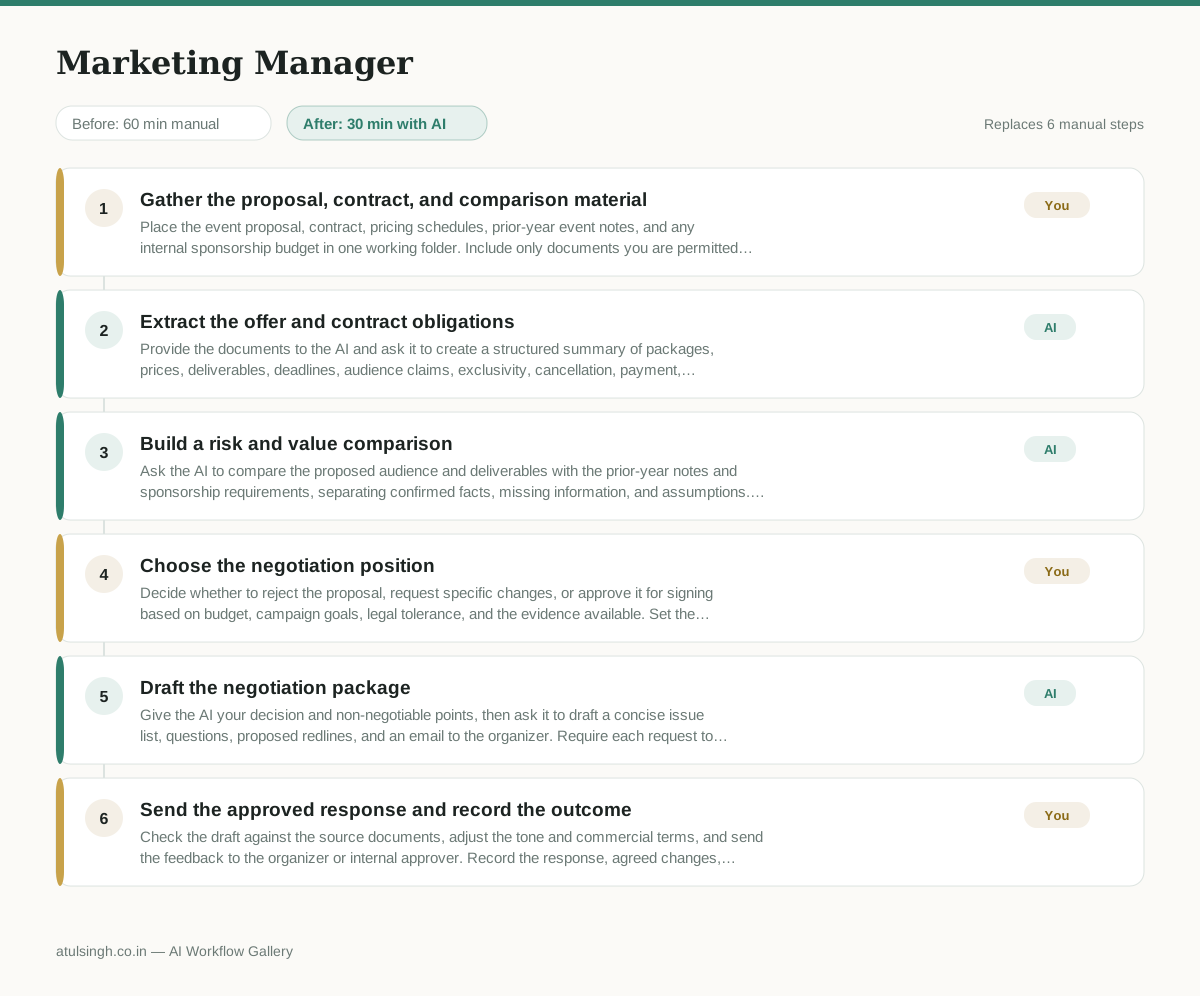
1. Gather the proposal, contract, and comparison material
Place the event proposal, contract, pricing schedules, prior-year event notes, and any internal sponsorship budget in one working folder. Include only documents you are permitted to share with the AI system.
- AI
2. Extract the offer and contract obligations
Provide the documents to the AI and ask it to create a structured summary of packages, prices, deliverables, deadlines, audience claims, exclusivity, cancellation, payment, renewal, liability, and production terms. Ask it to quote or identify the source page for each finding; it cannot confirm whether organizer claims are accurate beyond the material provided.
- AI
3. Build a risk and value comparison
Ask the AI to compare the proposed audience and deliverables with the prior-year notes and sponsorship requirements, separating confirmed facts, missing information, and assumptions. Have it flag possible hidden fees, restrictive clauses, weak deliverables, conflicting dates, and claims that need evidence.
- You
4. Choose the negotiation position
Decide whether to reject the proposal, request specific changes, or approve it for signing based on budget, campaign goals, legal tolerance, and the evidence available. Set the maximum spend, acceptable exclusivity, required deliverables, and terms that must be changed before proceeding; this decision determines whether the sponsorship moves forward.
- AI
5. Draft the negotiation package
Give the AI your decision and non-negotiable points, then ask it to draft a concise issue list, questions, proposed redlines, and an email to the organizer. Require each request to identify the relevant clause or missing evidence and avoid presenting unverified audience figures as fact.
- You
6. Send the approved response and record the outcome
Check the draft against the source documents, adjust the tone and commercial terms, and send the feedback to the organizer or internal approver. Record the response, agreed changes, open risks, and whether the contract is rejected, sent for legal review, or approved for signature.
What you end up with
Where this falls apart
- The proposal document contains scanned images without embedded text, which causes the AI to miss critical clauses entirely.
- The prior-year event notes are vague or incomplete, which causes the AI to produce speculative audience comparisons.
More for Marketing Manager
- Write a campaign brief that the agency and the internal design team can both use without contradictory instructions
- Check every lead capture form on the website to make sure submissions reach the right sales reps before launching a new advertising campaign.
- Checking multiple promotional calendars across email, social, and paid ads to make sure campaigns do not overlap or contradict each other before the holiday sales push.
- Reviewing external market research reports and flagging unverified claims before presenting findings to the board.
Also in marketing
- Turn a recorded customer interview into a draft blog post
- Sorting incoming customer leads from web forms and assigning them to the right sales reps based on company size and location
- Turn a technical whitepaper into a three-part email nurture sequence before it launches
- Analyze competitor viral posts to draft three trend hooks, discarding off-brand angles