
Turn raw discovery call notes into a structured pilot proposal for a new client
Translating messy meeting notes into a formal, tailored scope of work takes hours, and it is easy to miss specific client requirements or misstate the agreed-upon pilot terms.
- Before
- 120 min
- After
- 50 min
- Saved
- 70 min
How this used to go
- Review and clean up rough notes or transcript from the discovery call
- Extract the client's stated problems, desired outcomes, and constraints
- Draft the pilot scope, pricing, and timeline in a word processor or presentation deck
- Cross-reference the draft against previous emails to ensure no specific requests were missed
- Format the document with company branding and send it to the internal team for review
- Incorporate feedback and send the final proposal to the prospect
Staring at a blank document trying to turn disjointed bullet points into professional, persuasive proposal language while worrying about missing a key detail the prospect mentioned.
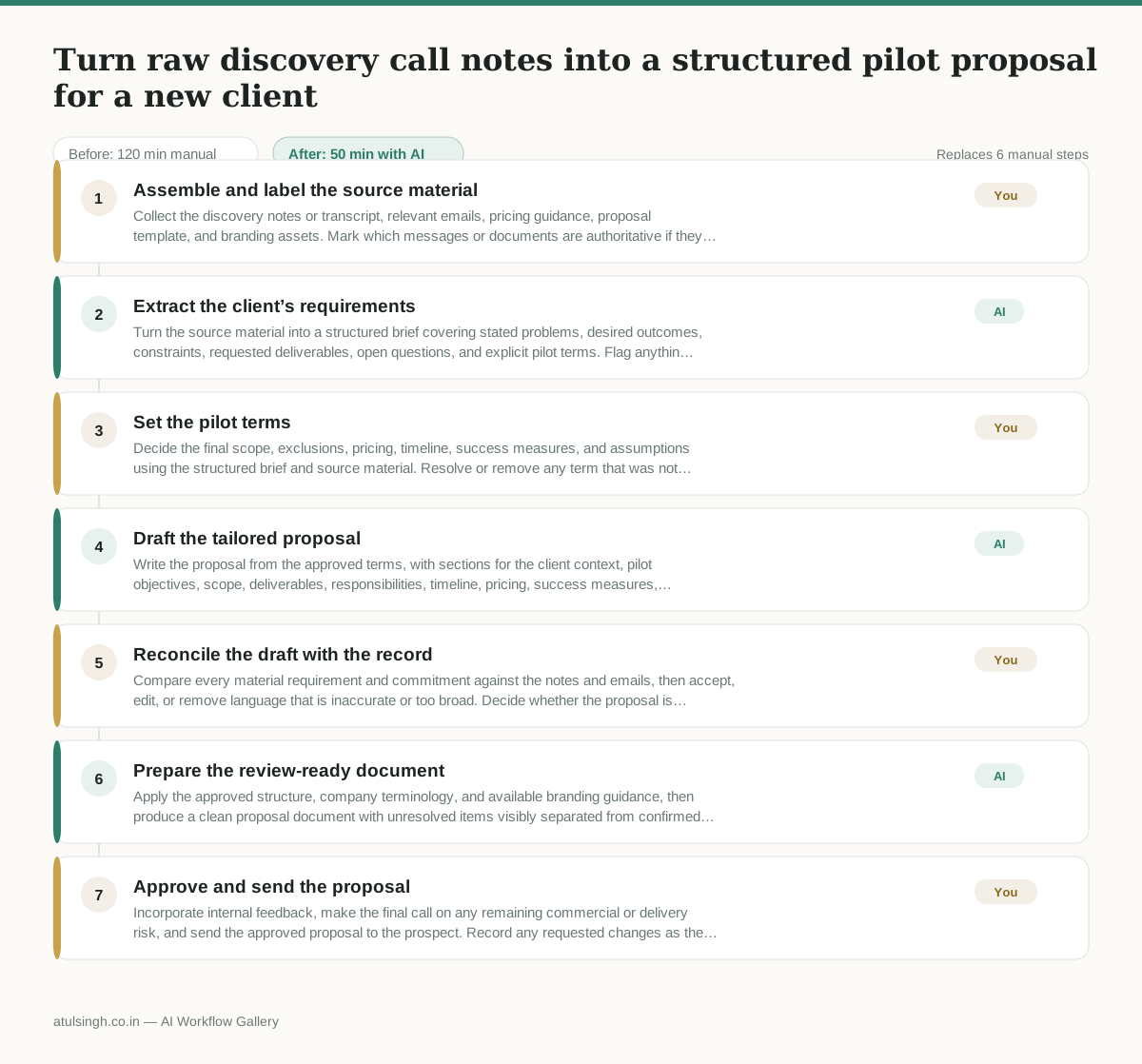
The workflow, step by step
- You
1. Assemble and label the source material
Collect the discovery notes or transcript, relevant emails, pricing guidance, proposal template, and branding assets. Mark which messages or documents are authoritative if they conflict.
- AI
2. Extract the client’s requirements
Turn the source material into a structured brief covering stated problems, desired outcomes, constraints, requested deliverables, open questions, and explicit pilot terms. Flag anything ambiguous or unsupported rather than filling gaps.
- You
3. Set the pilot terms
Decide the final scope, exclusions, pricing, timeline, success measures, and assumptions using the structured brief and source material. Resolve or remove any term that was not clearly agreed, because these choices determine what the proposal commits the company to deliver.
- AI
4. Draft the tailored proposal
Write the proposal from the approved terms, with sections for the client context, pilot objectives, scope, deliverables, responsibilities, timeline, pricing, success measures, assumptions, and next steps. Keep uncertain items as clearly marked placeholders instead of presenting them as agreed facts.
- You
5. Reconcile the draft with the record
Compare every material requirement and commitment against the notes and emails, then accept, edit, or remove language that is inaccurate or too broad. Decide whether the proposal is safe to circulate internally or must return to the prospect for clarification.
- AI
6. Prepare the review-ready document
Apply the approved structure, company terminology, and available branding guidance, then produce a clean proposal document with unresolved items visibly separated from confirmed terms. AI cannot reliably verify that pricing, commitments, or client approval match the conversation without human confirmation.
- You
7. Approve and send the proposal
Incorporate internal feedback, make the final call on any remaining commercial or delivery risk, and send the approved proposal to the prospect. Record any requested changes as the new source of truth for the pilot.
What you end up with
Where this falls apart
- The source notes contain contradictory statements or ambiguous pricing discussions from the discovery call, causing the model to hallucinate terms or misstate pilot commitments.
- The input material omits critical constraints or technical requirements mentioned outside the transcript, leading the model to draft a proposal that promises undeliverable outcomes.
More for Founder-led Sales
- reaching out to former colleagues and personal contacts to announce a new company or product launch without sounding like a spammy marketer
- Reply to inbound beta signups to figure out if they are a real fit before getting on a call
- following up on proposals that went quiet without annoying the prospect
- Outline a custom proof-of-concept project plan after an enterprise discovery call
Also in sales
- Research an incoming company and its decision makers before a first sales meeting
- Prep for a B2B demo call by checking recent company news, job postings, and tech stack changes to build relevant questions.
- Reviewing a new sales rep's practice pitch against the team's call criteria before letting them talk to real prospects
- Reviving deals that went quiet after sending a proposal by finding matching case studies and writing a follow-up message.