
turning a detailed product spec sheet into a clear campaign brief for the design team without keeping all the technical jargon
technical specifications are written for engineers, which means designers end up wading through jargon or asking endless clarifying questions before they can start visual work
- Before
- 120 min
- After
- 60 min
- Saved
- 60 min
How this used to go
- read through the full product specification document to identify key features and user benefits
- highlight the core value propositions while crossing out implementation details and internal code names
- draft an outline separating target audience, key message, and mandatory design assets
- rewrite technical feature descriptions into plain language that a customer would actually understand
- send the draft brief to the product manager for review and wait for corrections
- finalize the brief document and schedule a kickoff meeting with the design team
spending hours translating dense engineering terminology into plain language while trying to guess what the designers actually need to know
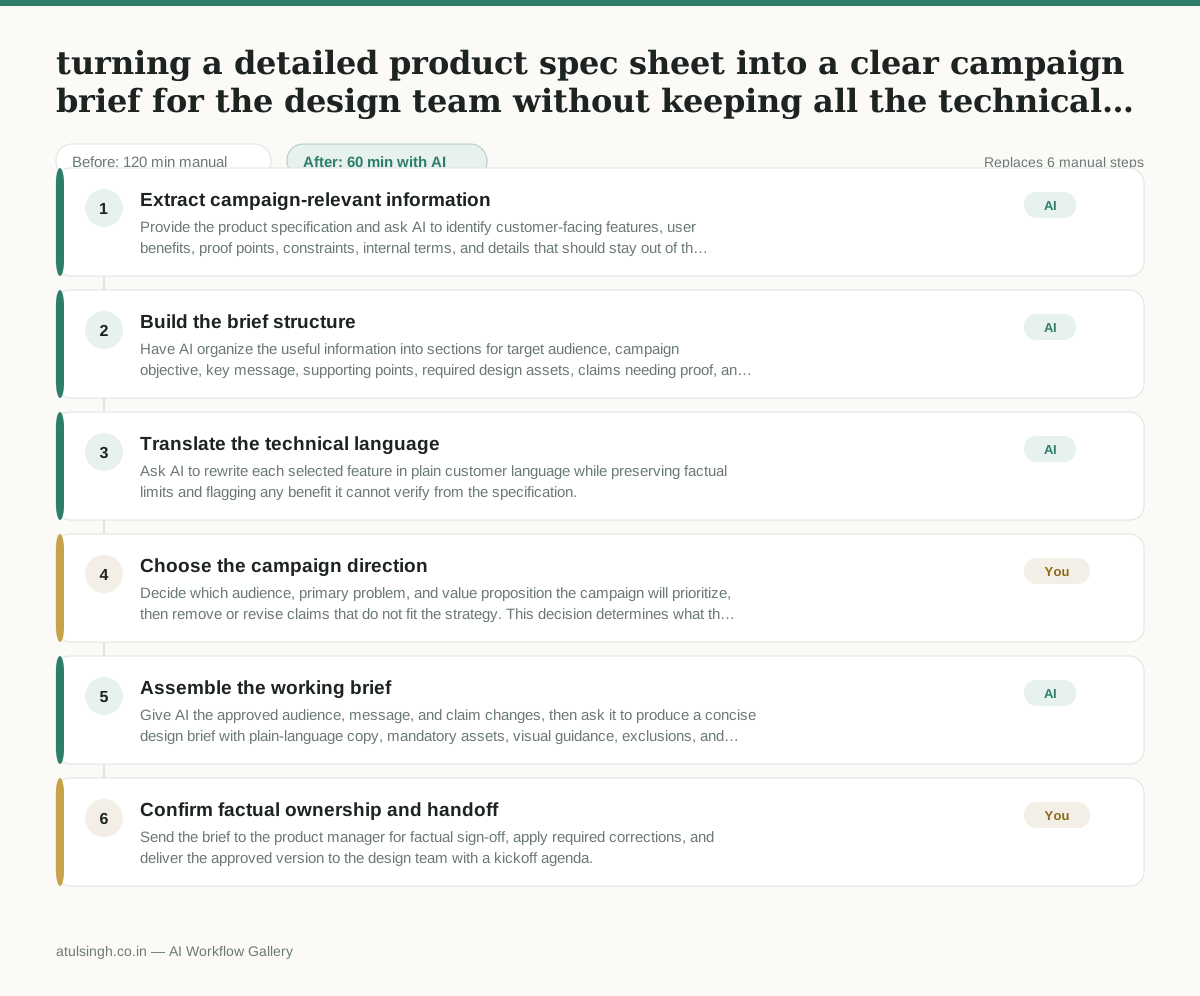
The workflow, step by step
- AI
1. Extract campaign-relevant information
Provide the product specification and ask AI to identify customer-facing features, user benefits, proof points, constraints, internal terms, and details that should stay out of the campaign brief.
- AI
2. Build the brief structure
Have AI organize the useful information into sections for target audience, campaign objective, key message, supporting points, required design assets, claims needing proof, and open questions.
- AI
3. Translate the technical language
Ask AI to rewrite each selected feature in plain customer language while preserving factual limits and flagging any benefit it cannot verify from the specification.
- You
4. Choose the campaign direction
Decide which audience, primary problem, and value proposition the campaign will prioritize, then remove or revise claims that do not fit the strategy. This decision determines what the designers emphasize and which assets they create.
- AI
5. Assemble the working brief
Give AI the approved audience, message, and claim changes, then ask it to produce a concise design brief with plain-language copy, mandatory assets, visual guidance, exclusions, and questions for the product team.
- You
6. Confirm factual ownership and handoff
Send the brief to the product manager for factual sign-off, apply required corrections, and deliver the approved version to the design team with a kickoff agenda.
What you end up with
Where this falls apart
- The input specification omits target audience details, which causes the AI to fabricate generic buyer personas and irrelevant design requirements.
- The source document contains conflicting technical metrics, which causes the AI to output contradictory product claims in the draft brief.
More for Marketing Manager
- Write a campaign brief that the agency and the internal design team can both use without contradictory instructions
- Check every lead capture form on the website to make sure submissions reach the right sales reps before launching a new advertising campaign.
- Checking multiple promotional calendars across email, social, and paid ads to make sure campaigns do not overlap or contradict each other before the holiday sales push.
- Reviewing external market research reports and flagging unverified claims before presenting findings to the board.
Also in marketing
- Turn a recorded customer interview into a draft blog post
- Sorting incoming customer leads from web forms and assigning them to the right sales reps based on company size and location
- Turn a technical whitepaper into a three-part email nurture sequence before it launches
- Analyze competitor viral posts to draft three trend hooks, discarding off-brand angles