
turning product comments and community questions into an organized FAQ thread before a launch
relevant questions get buried across multiple posts and comments, making it easy to miss recurring customer objections and support queries before launch day.
- Before
- 120 min
- After
- 45 min
- Saved
- 75 min
How this used to go
- Open previous social media posts, ads, and community threads one by one.
- Scroll through all comments and replies to manually identify questions.
- Copy and paste recurring questions and customer objections into a blank spreadsheet.
- Group similar questions together by category, such as pricing, features, or setup.
- Draft direct answers for each grouped question and format them into a social media thread structure.
manually scanning hundreds of comments across multiple platforms to find patterns while trying not to miss the specific phrasing customers use.
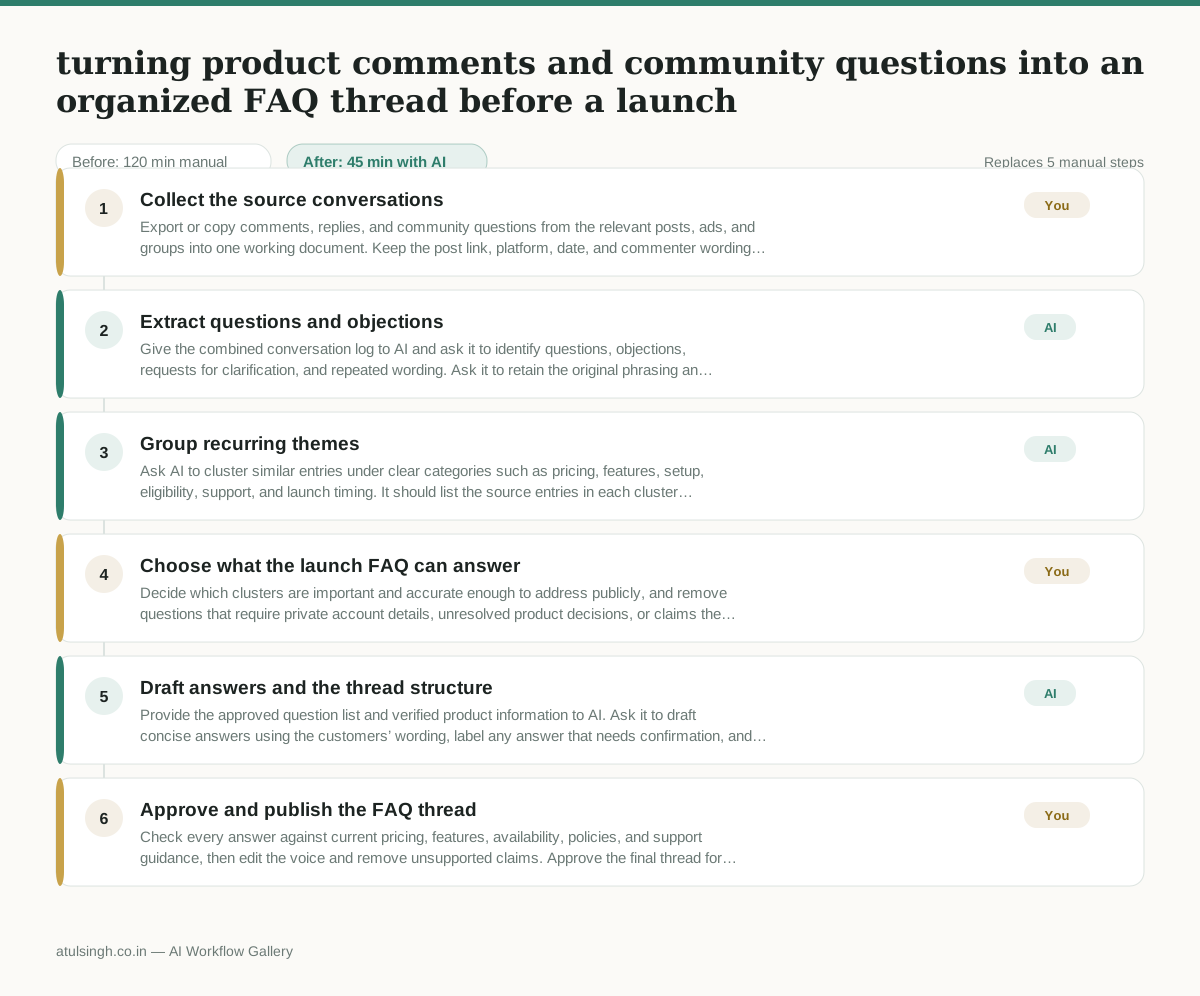
The workflow, step by step
- You
1. Collect the source conversations
Export or copy comments, replies, and community questions from the relevant posts, ads, and groups into one working document. Keep the post link, platform, date, and commenter wording with each entry.
- AI
2. Extract questions and objections
Give the combined conversation log to AI and ask it to identify questions, objections, requests for clarification, and repeated wording. Ask it to retain the original phrasing and cite the source entry for each item.
- AI
3. Group recurring themes
Ask AI to cluster similar entries under clear categories such as pricing, features, setup, eligibility, support, and launch timing. It should list the source entries in each cluster and flag items that are ambiguous, contradictory, or mentioned only once.
- You
4. Choose what the launch FAQ can answer
Decide which clusters are important and accurate enough to address publicly, and remove questions that require private account details, unresolved product decisions, or claims the team cannot verify. This determines which objections appear in the launch thread and prevents AI from turning speculation into a promise.
- AI
5. Draft answers and the thread structure
Provide the approved question list and verified product information to AI. Ask it to draft concise answers using the customers’ wording, label any answer that needs confirmation, and arrange the content into an opening post, grouped FAQ replies, and a closing prompt for additional questions.
- You
6. Approve and publish the FAQ thread
Check every answer against current pricing, features, availability, policies, and support guidance, then edit the voice and remove unsupported claims. Approve the final thread for the chosen platform and publish it, keeping the grouped question log for follow-up support.
What you end up with
Where this falls apart
- The input comments use heavy sarcasm, irony, or inside jokes that the model misinterprets as genuine product objections, resulting in an FAQ thread that addresses nonexistent concerns.
- The source conversations contain outdated pricing or deprecated feature requests that the model treats as current demands, leading to conflicting answers in the final draft.
More for Social Media Manager
- Analyze competitor viral posts to draft three trend hooks, discarding off-brand angles
- pitching influencers and checking their engagement before sending messages
- Plan next month's organic social media posts and cut the weak ideas before anyone approves the schedule.
- building next month's social calendar from the content roadmap
Also in marketing
- Turn a recorded customer interview into a draft blog post
- Sorting incoming customer leads from web forms and assigning them to the right sales reps based on company size and location
- Turn a technical whitepaper into a three-part email nurture sequence before it launches
- Reviewing an existing ranking article, checking every claim and figure against current source data, and identifying outdated statements before republication