
pitching influencers and checking their engagement before sending messages
looking at an account's follower count and guessing if their audience is real or active, which leads to sending pitches to dead accounts or missing creators with high engagement.
- Before
- 25 min
- After
- 12 min
- Saved
- 13 min
How this used to go
- Find a potential creator profile on a social platform
- Open the profile and scroll through recent posts to check comments and likes
- Manually calculate an average engagement rate based on the last ten posts
- Cross-reference the creator's follower count with their average comment volume to spot inflated numbers
- Draft a personalised pitch message referencing their recent content
- Send the message and log the contact details in a spreadsheet
spending twenty minutes vetting a creator's metrics only to find their engagement is fake and having to start over.
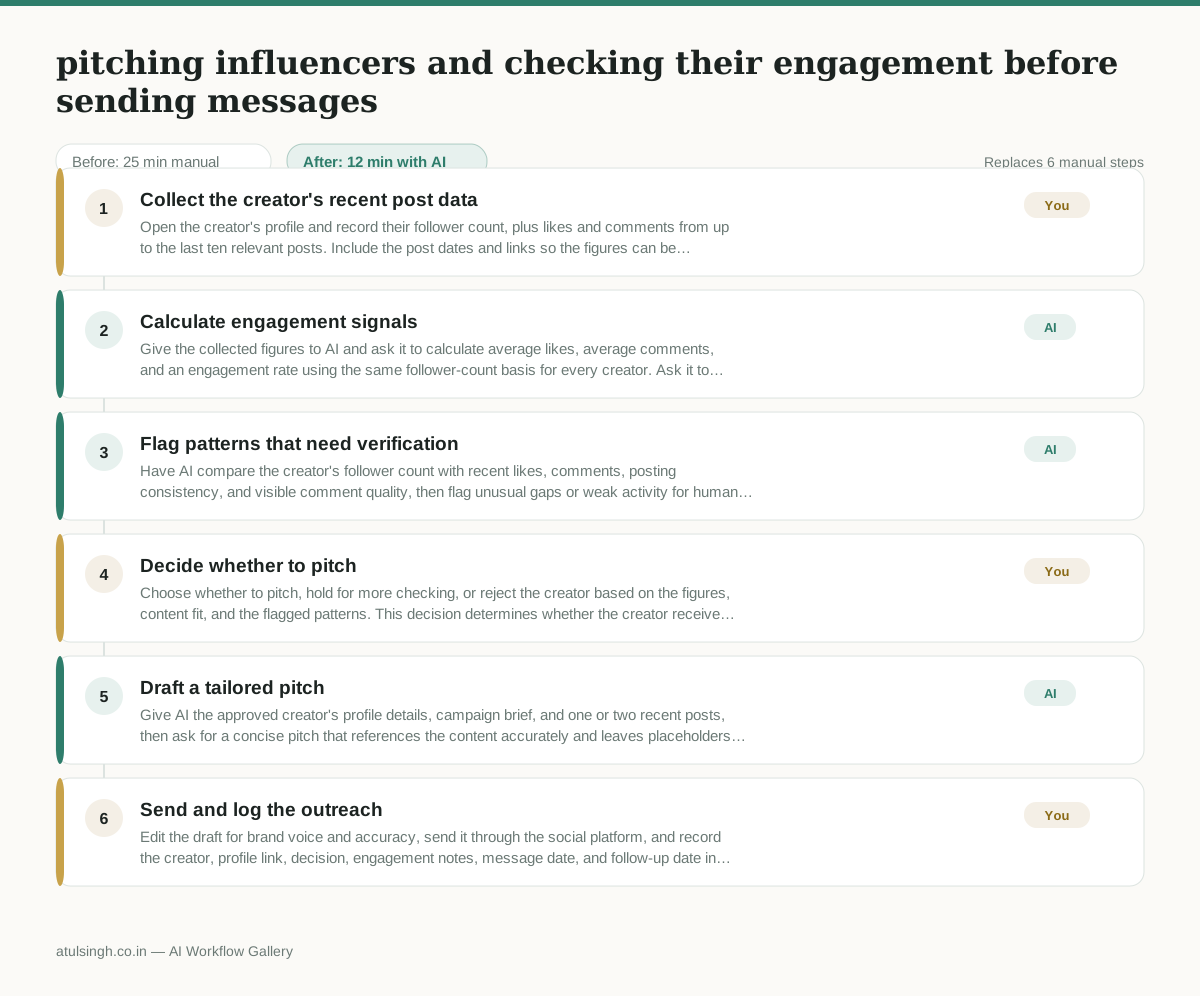
The workflow, step by step
- You
1. Collect the creator's recent post data
Open the creator's profile and record their follower count, plus likes and comments from up to the last ten relevant posts. Include the post dates and links so the figures can be checked later.
- AI
2. Calculate engagement signals
Give the collected figures to AI and ask it to calculate average likes, average comments, and an engagement rate using the same follower-count basis for every creator. Ask it to separate calculations from observations.
- AI
3. Flag patterns that need verification
Have AI compare the creator's follower count with recent likes, comments, posting consistency, and visible comment quality, then flag unusual gaps or weak activity for human review. AI cannot reliably prove that followers or engagement are genuine, especially from public data alone.
- You
4. Decide whether to pitch
Choose whether to pitch, hold for more checking, or reject the creator based on the figures, content fit, and the flagged patterns. This decision determines whether the creator receives a message and prevents an AI-generated signal from being treated as proof of authentic engagement.
- AI
5. Draft a tailored pitch
Give AI the approved creator's profile details, campaign brief, and one or two recent posts, then ask for a concise pitch that references the content accurately and leaves placeholders for commercial terms. Check that it does not claim facts that were not supplied.
- You
6. Send and log the outreach
Edit the draft for brand voice and accuracy, send it through the social platform, and record the creator, profile link, decision, engagement notes, message date, and follow-up date in the spreadsheet.
What you end up with
Where this falls apart
- The creator relies on video content with short captions and hidden view counts, which causes the AI to miscalculate overall engagement due to a lack of parseable text data.
- The account has purchased automated bot comments that use generic positive phrasing, which causes the AI to classify artificial activity as genuine engagement and pass an invalid creator.
More for Social Media Manager
- Analyze competitor viral posts to draft three trend hooks, discarding off-brand angles
- Plan next month's organic social media posts and cut the weak ideas before anyone approves the schedule.
- building next month's social calendar from the content roadmap
- Reviewing weekly social media numbers to figure out which post types missed the mark so we can plan next week's content.
Also in marketing
- Turn a recorded customer interview into a draft blog post
- Sorting incoming customer leads from web forms and assigning them to the right sales reps based on company size and location
- Turn a technical whitepaper into a three-part email nurture sequence before it launches
- Reviewing an existing ranking article, checking every claim and figure against current source data, and identifying outdated statements before republication