
Turn a recorded customer interview into a draft blog post
Raw interview transcripts contain repetitive small talk, tangents, and informal phrasing that cannot be published directly, requiring hours of manual listening, cutting, and rewriting to extract usable content.
- Before
- 120 min
- After
- 60 min
- Saved
- 60 min
How this used to go
- Listen to the recorded interview audio or read through the raw transcript while ignoring filler words and tangents
- Highlight key quotes, customer pain points, and specific examples mentioned during the conversation
- Copy the highlighted sections into a separate document and organize them into a logical article outline
- Rewrite the transcribed spoken sentences into written paragraphs that read clearly
- Review the draft against the original recording to ensure the customer's meaning was not distorted during editing
Sifting through long stretches of off-topic conversation and filler words to find the actual insights.
The workflow, step by step
- AI
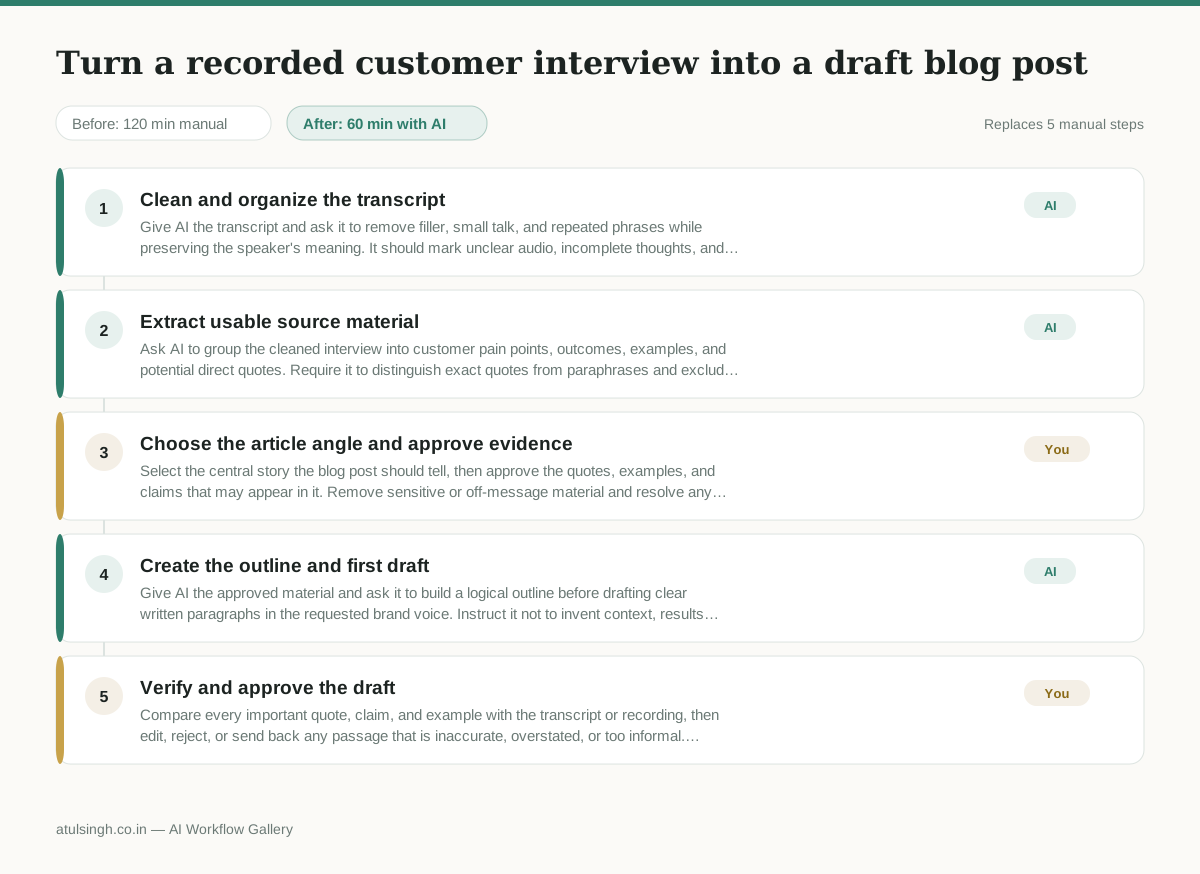
1. Clean and organize the transcript
Give AI the transcript and ask it to remove filler, small talk, and repeated phrases while preserving the speaker's meaning. It should mark unclear audio, incomplete thoughts, and statements that need confirmation rather than guessing.
- AI
2. Extract usable source material
Ask AI to group the cleaned interview into customer pain points, outcomes, examples, and potential direct quotes. Require it to distinguish exact quotes from paraphrases and exclude claims that are not supported by the transcript.
- You
3. Choose the article angle and approve evidence
Select the central story the blog post should tell, then approve the quotes, examples, and claims that may appear in it. Remove sensitive or off-message material and resolve any ambiguity by checking the recording or contacting the customer; this choice determines what the draft can credibly say.
- AI
4. Create the outline and first draft
Give AI the approved material and ask it to build a logical outline before drafting clear written paragraphs in the requested brand voice. Instruct it not to invent context, results, customer details, or transitions that change the customer's meaning.
- You
5. Verify and approve the draft
Compare every important quote, claim, and example with the transcript or recording, then edit, reject, or send back any passage that is inaccurate, overstated, or too informal. Approve the remaining draft for publication only after the customer's meaning and any required permissions are confirmed.
What you end up with
Where this falls apart
- The raw interview audio contains overlapping speakers or heavy background noise, which causes the AI to hallucinate dialogue or miss critical customer pain points entirely.
- The speaker relies heavily on industry jargon, sarcasm, or highly contextual inside jokes, which causes the AI to misinterpret the intent and draft an inaccurate narrative.
More for Content Marketer
- Sorting incoming customer leads from web forms and assigning them to the right sales reps based on company size and location
- Turn a technical whitepaper into a three-part email nurture sequence before it launches
- Reviewing an existing ranking article, checking every claim and figure against current source data, and identifying outdated statements before republication
- Plan out the next month of content based on what people are actually asking for and our sales goals
Also in marketing
- Analyze competitor viral posts to draft three trend hooks, discarding off-brand angles
- pitching influencers and checking their engagement before sending messages
- Write and test five ad variants for one campaign from a single landing page
- Pulling the weekly paid channel report and explaining what actually drove the performance changes