
Analyze competitor viral posts to draft three trend hooks, discarding off-brand angles
Manually scrolling through competitor feeds to identify high-performing content takes hours, and sorting through irrelevant posts often leads to copying hooks that do not fit the company's brand voice or product positioning.
- Before
- 90 min
- After
- 35 min
- Saved
- 55 min
How this used to go
- Open social media platforms and navigate to competitor profiles manually.
- Scroll through recent posts to identify high engagement metrics like likes, shares, and comments.
- Copy the text and structure of top-performing posts into a spreadsheet or document.
- Review the collected hooks and filter out topics that do not align with current company campaigns.
- Rewrite the remaining hooks to fit the brand's tone of voice.
- Select the final three drafted hooks for review.
Spending significant time adapting a competitor's viral hook only to realize the core angle contradicts company messaging and must be discarded entirely.
The workflow, step by step
- You
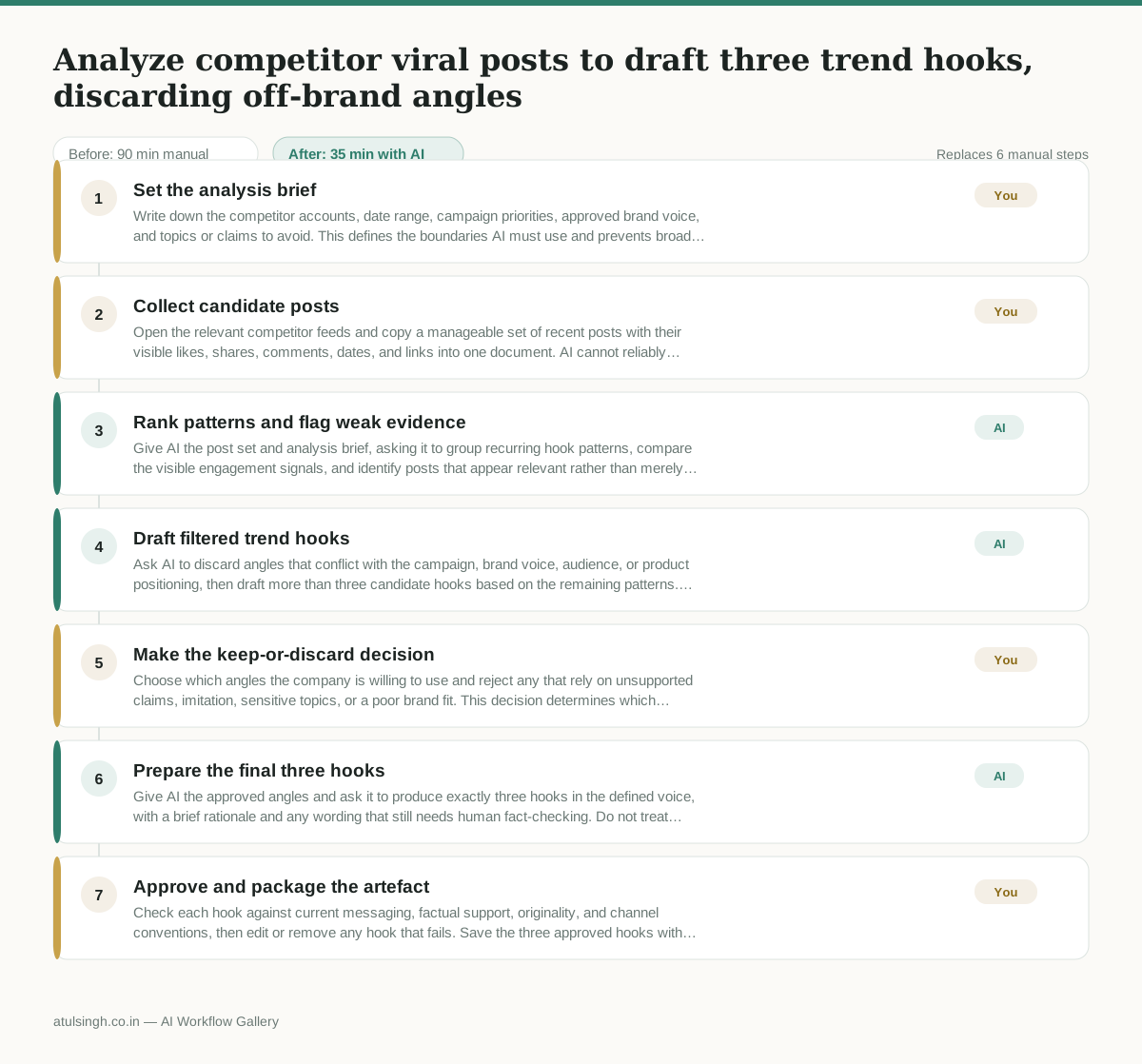
1. Set the analysis brief
Write down the competitor accounts, date range, campaign priorities, approved brand voice, and topics or claims to avoid. This defines the boundaries AI must use and prevents broad engagement from being treated as a suitable trend.
- You
2. Collect candidate posts
Open the relevant competitor feeds and copy a manageable set of recent posts with their visible likes, shares, comments, dates, and links into one document. AI cannot reliably browse or verify social performance without supplied post data, so keep the source context attached.
- AI
3. Rank patterns and flag weak evidence
Give AI the post set and analysis brief, asking it to group recurring hook patterns, compare the visible engagement signals, and identify posts that appear relevant rather than merely popular. It should label missing metrics, unclear context, and possible copying risks instead of presenting them as verified virality.
- AI
4. Draft filtered trend hooks
Ask AI to discard angles that conflict with the campaign, brand voice, audience, or product positioning, then draft more than three candidate hooks based on the remaining patterns. Each draft should include the source pattern, intended audience, and a short explanation of how it differs from the competitor wording.
- You
5. Make the keep-or-discard decision
Choose which angles the company is willing to use and reject any that rely on unsupported claims, imitation, sensitive topics, or a poor brand fit. This decision determines which candidates move forward, even if an angle appears to have strong engagement.
- AI
6. Prepare the final three hooks
Give AI the approved angles and ask it to produce exactly three hooks in the defined voice, with a brief rationale and any wording that still needs human fact-checking. Do not treat the drafts as ready to publish without that check.
- You
7. Approve and package the artefact
Check each hook against current messaging, factual support, originality, and channel conventions, then edit or remove any hook that fails. Save the three approved hooks with their source patterns, rationale, and required review notes.
What you end up with
Where this falls apart
- Supplied competitor posts contain fabricated engagement metrics or lack context, causing the AI to rank irrelevant content as high-performing trends.
- The analysis brief omits specific brand positioning boundaries or negative constraints, leading the AI to draft off-brand hooks that contradict company messaging.
More for Social Media Manager
- pitching influencers and checking their engagement before sending messages
- Plan next month's organic social media posts and cut the weak ideas before anyone approves the schedule.
- building next month's social calendar from the content roadmap
- Reviewing weekly social media numbers to figure out which post types missed the mark so we can plan next week's content.
Also in marketing
- Turn a recorded customer interview into a draft blog post
- Sorting incoming customer leads from web forms and assigning them to the right sales reps based on company size and location
- Turn a technical whitepaper into a three-part email nurture sequence before it launches
- Reviewing an existing ranking article, checking every claim and figure against current source data, and identifying outdated statements before republication