
Drafting replies to negative social media comments and routing product bug reports to the engineering team
Handling angry comments manually while digging through noisy threads to separate general complaints from actual software bugs means replies take too long, and bug details often get lost or lack the context engineering needs to investigate.
- Before
- 15 min
- After
- 8 min
- Saved
- 7 min
How this used to go
- Monitor social media feeds and notifications for new negative comments and mentions.
- Read through the customer's post to determine the root cause of the complaint.
- Check internal documentation or status pages to see if the issue is a known bug or outage.
- Draft a measured, professional reply acknowledging the frustration without making false promises.
- Copy the relevant user details and post link, then paste them into a bug tracking ticket or engineering chat channel.
Switching between social feeds, knowledge bases, and bug trackers for every single complaint, which breaks focus and delays urgent bug reporting.
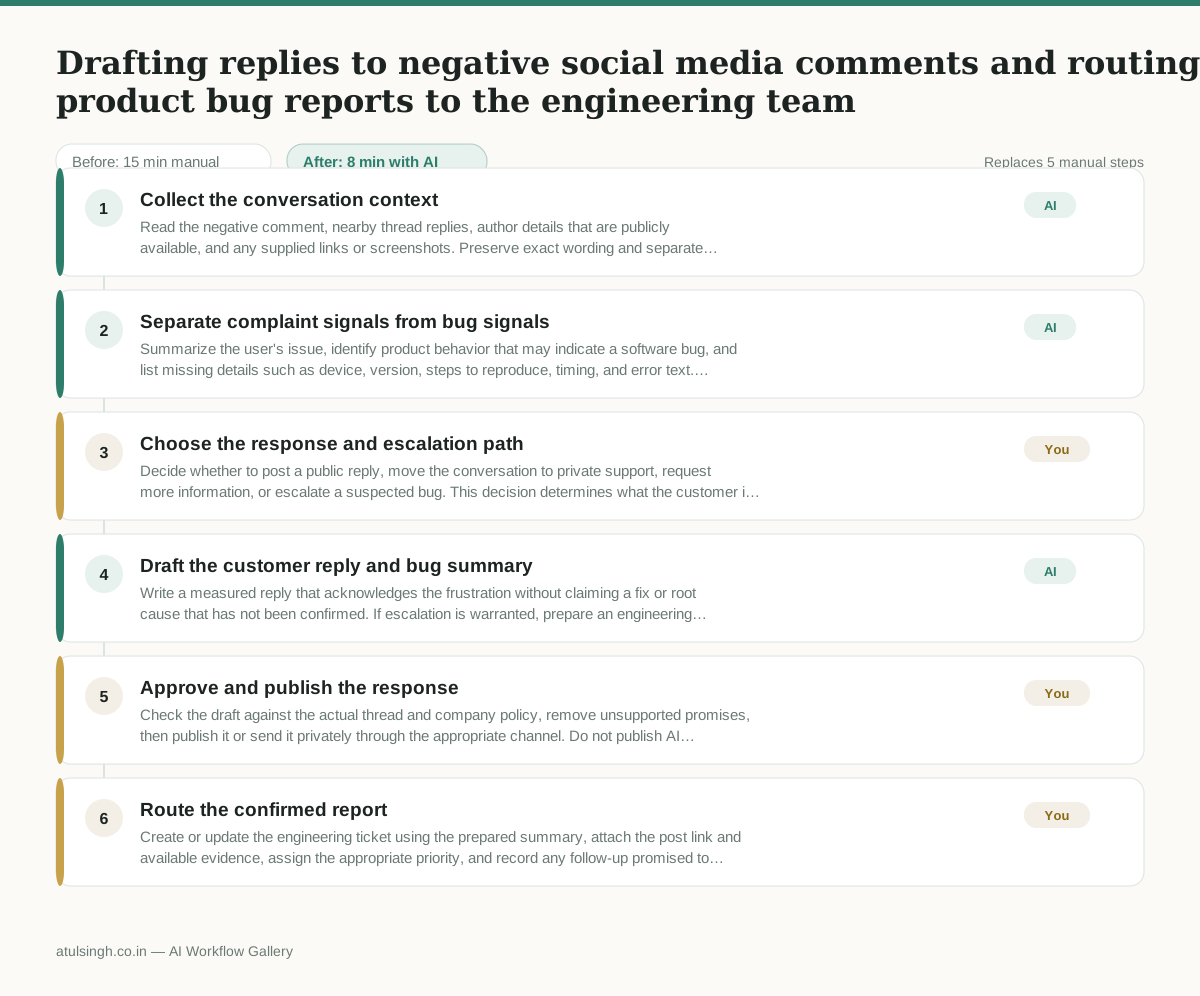
The workflow, step by step
- AI
1. Collect the conversation context
Read the negative comment, nearby thread replies, author details that are publicly available, and any supplied links or screenshots. Preserve exact wording and separate observed facts from assumptions.
- AI
2. Separate complaint signals from bug signals
Summarize the user's issue, identify product behavior that may indicate a software bug, and list missing details such as device, version, steps to reproduce, timing, and error text. Treat the classification as a lead, not a verified diagnosis.
- You
3. Choose the response and escalation path
Decide whether to post a public reply, move the conversation to private support, request more information, or escalate a suspected bug. This decision determines what the customer is told and whether engineering receives a ticket.
- AI
4. Draft the customer reply and bug summary
Write a measured reply that acknowledges the frustration without claiming a fix or root cause that has not been confirmed. If escalation is warranted, prepare an engineering summary containing the original wording, evidence, reproduction details, known-issue checks supplied by the human, and explicit unknowns.
- You
5. Approve and publish the response
Check the draft against the actual thread and company policy, remove unsupported promises, then publish it or send it privately through the appropriate channel. Do not publish AI wording unchanged when the context or customer intent is ambiguous.
- You
6. Route the confirmed report
Create or update the engineering ticket using the prepared summary, attach the post link and available evidence, assign the appropriate priority, and record any follow-up promised to the customer.
What you end up with
Where this falls apart
- The negative comment contains sarcasm, slang, or heavily nuanced language that causes the model to misclassify the user's intent as a severe product bug rather than a general complaint.
- The thread lacks basic diagnostic details like error messages or device types, which leads the model to hallucinate missing reproduction steps in the engineering summary.
More for Social Media Manager
- Analyze competitor viral posts to draft three trend hooks, discarding off-brand angles
- pitching influencers and checking their engagement before sending messages
- Plan next month's organic social media posts and cut the weak ideas before anyone approves the schedule.
- building next month's social calendar from the content roadmap
Also in marketing
- Turn a recorded customer interview into a draft blog post
- Sorting incoming customer leads from web forms and assigning them to the right sales reps based on company size and location
- Turn a technical whitepaper into a three-part email nurture sequence before it launches
- Reviewing an existing ranking article, checking every claim and figure against current source data, and identifying outdated statements before republication