
Reviewing sales call recordings to see how reps handle customer objections and figuring out what coaching they need
Managers rarely have enough hours in the day to listen to every recorded sales demo, meaning objection handling mistakes go unnoticed and uncorrected until deals are already lost.
- Before
- 60 min
- After
- 25 min
- Saved
- 35 min
How this used to go
- Open the call recording library and filter for completed demos from the past week
- Select a rep's recording and listen to it at normal or slightly faster speed
- Pause the audio whenever a prospect raises an objection to take manual notes on how the rep responded
- Compare the rep's actual response against the company's internal objection handling playbooks
- Write down a summary of missed opportunities and specific coaching points for the rep
- Schedule a 1-on-1 coaching session to review the specific call moments with the rep
Spending an hour listening to a single call just to find two minutes where an objection was mishandled.
The workflow, step by step
- You
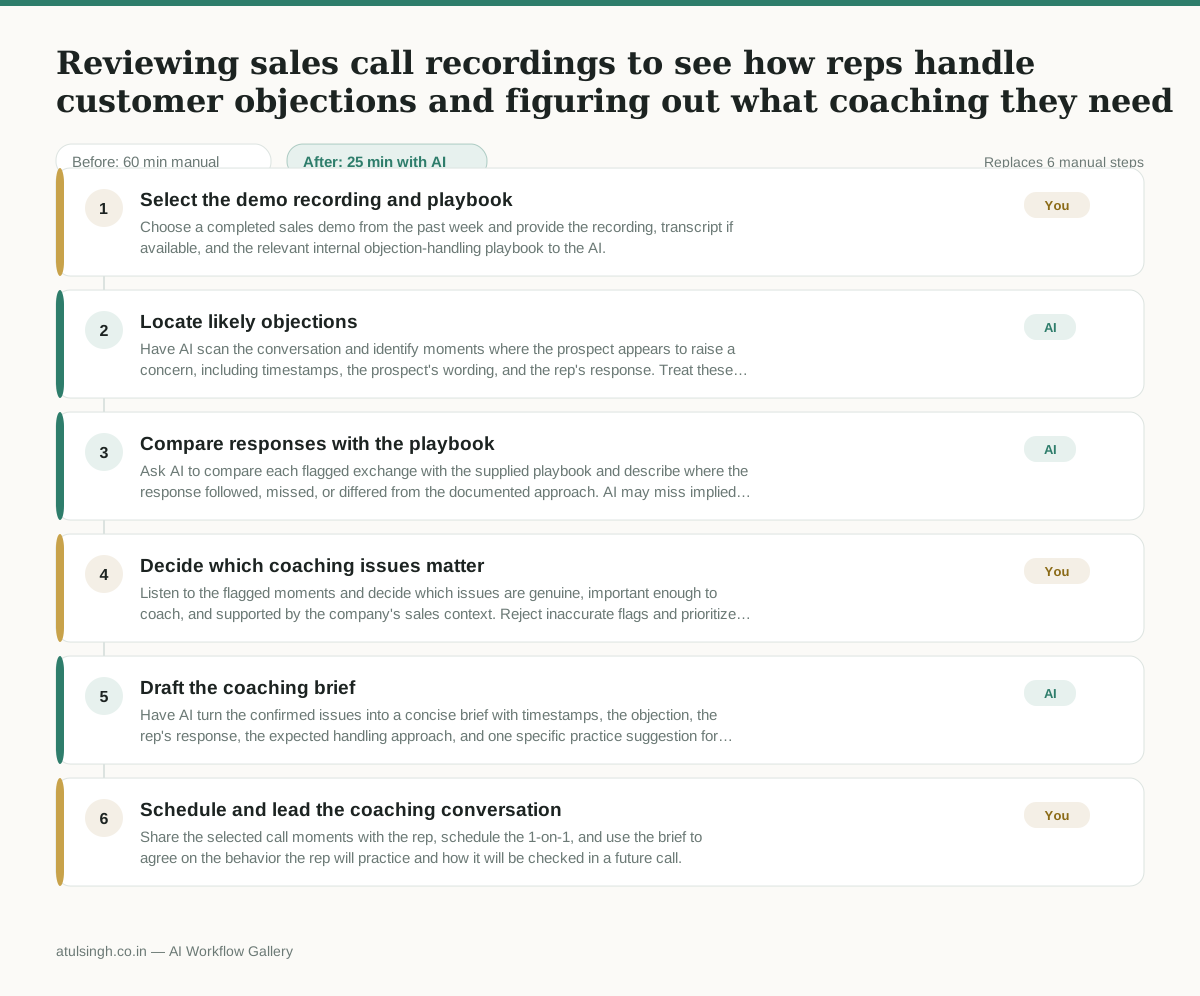
1. Select the demo recording and playbook
Choose a completed sales demo from the past week and provide the recording, transcript if available, and the relevant internal objection-handling playbook to the AI.
- AI
2. Locate likely objections
Have AI scan the conversation and identify moments where the prospect appears to raise a concern, including timestamps, the prospect's wording, and the rep's response. Treat these as suggested moments rather than a complete or definitive list.
- AI
3. Compare responses with the playbook
Ask AI to compare each flagged exchange with the supplied playbook and describe where the response followed, missed, or differed from the documented approach. AI may miss implied objections, sarcasm, or context that is not clear in the recording.
- You
4. Decide which coaching issues matter
Listen to the flagged moments and decide which issues are genuine, important enough to coach, and supported by the company's sales context. Reject inaccurate flags and prioritize the few behaviors that could change future deal outcomes.
- AI
5. Draft the coaching brief
Have AI turn the confirmed issues into a concise brief with timestamps, the objection, the rep's response, the expected handling approach, and one specific practice suggestion for each priority issue.
- You
6. Schedule and lead the coaching conversation
Share the selected call moments with the rep, schedule the 1-on-1, and use the brief to agree on the behavior the rep will practice and how it will be checked in a future call.
What you end up with
Where this falls apart
- Transcripts contain significant speaker overlap, cross-talk, or poor audio quality, which causes the AI to misattribute objections to the wrong participant or miss them entirely.
- Internal playbooks are vague, outdated, or undocumented, which leads the AI to generate generic comparisons that provide no actionable coaching value for the rep.
More for Sales Manager
- Research an incoming company and its decision makers before a first sales meeting
- Reviewing a new sales rep's practice pitch against the team's call criteria before letting them talk to real prospects
- Review the sales pipeline before the weekly team meeting to find deals that haven't moved stages and figure out why.
- Reviewing stagnant deals in the pipeline before the weekly forecast meeting to figure out what is actually blocking them and decide who to call or email.
Also in sales
- Prep for a B2B demo call by checking recent company news, job postings, and tech stack changes to build relevant questions.
- reaching out to former colleagues and personal contacts to announce a new company or product launch without sounding like a spammy marketer
- Reviving deals that went quiet after sending a proposal by finding matching case studies and writing a follow-up message.
- Turn raw discovery call notes into a structured pilot proposal for a new client