
Write a detailed technical reply to a prospect who raised an infrastructure objection during a product demo
Founders delay responding to technical objections because drafting a precise, accurate answer requires pulling context from past support tickets, product documentation, and engineering notes, which interrupts active deal momentum.
- Before
- 45 min
- After
- 20 min
- Saved
- 25 min
How this used to go
- Review the demo call recording or notes to capture the exact technical objection raised by the prospect.
- Search internal documentation, knowledge bases, or past Slack threads to find the engineering stance on the objection.
- Draft an initial response attempting to balance technical accuracy without making promises the product cannot currently keep.
- Send the draft to a technical team member or co-founder to review for correctness and tone.
- Incorporate edits from the technical review and send the final reply to the prospect.
Translating engineering nuances into clear customer-facing language without accidentally committing to features that do not exist yet.
The workflow, step by step
- You
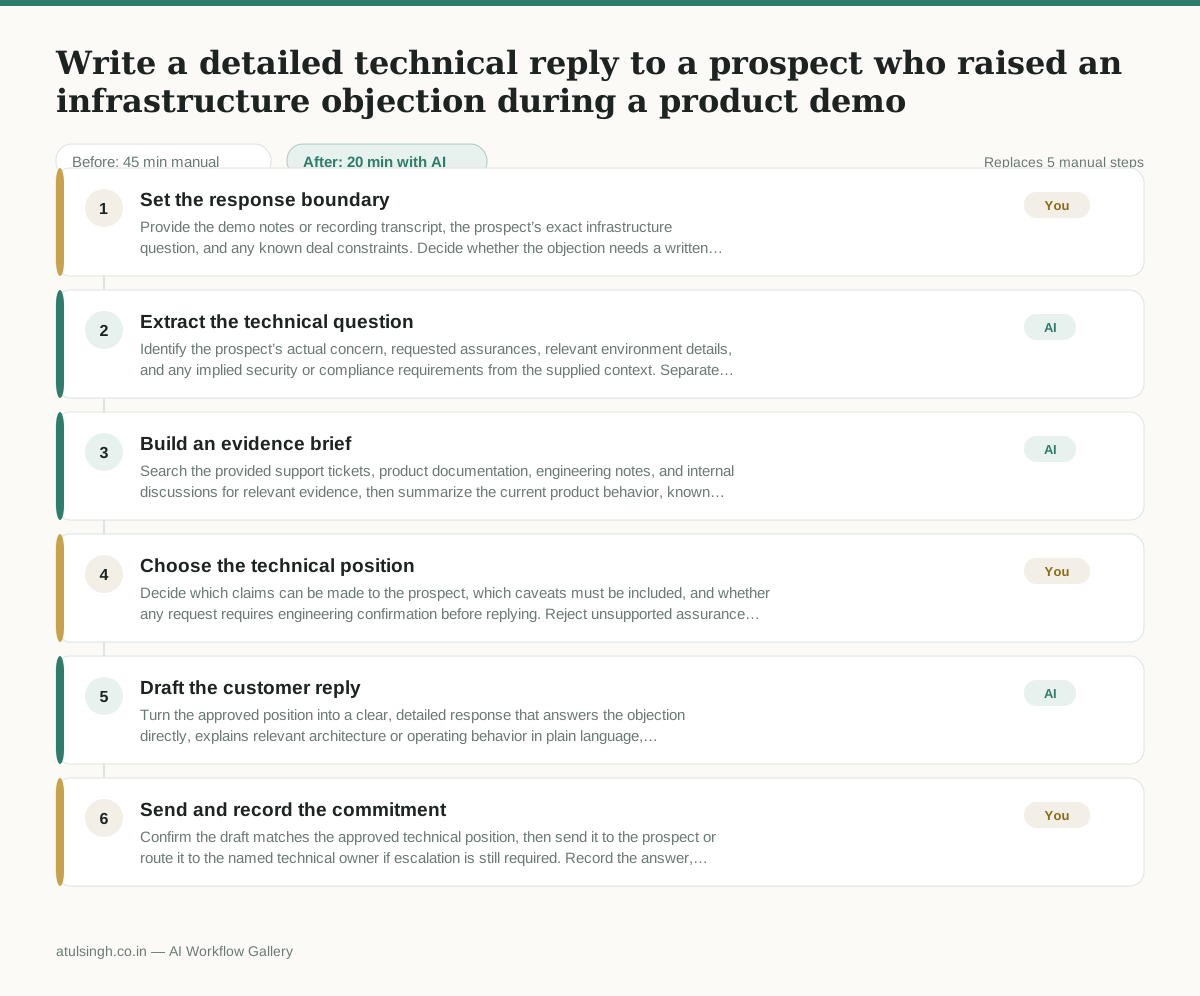
1. Set the response boundary
Provide the demo notes or recording transcript, the prospect’s exact infrastructure question, and any known deal constraints. Decide whether the objection needs a written answer now, a technical call, or an engineering escalation; this determines whether the workflow can produce a reply or must produce a qualified handoff.
- AI
2. Extract the technical question
Identify the prospect’s actual concern, requested assurances, relevant environment details, and any implied security or compliance requirements from the supplied context. Separate confirmed facts from assumptions and list missing information that could change the answer.
- AI
3. Build an evidence brief
Search the provided support tickets, product documentation, engineering notes, and internal discussions for relevant evidence, then summarize the current product behavior, known limits, supported configurations, and unresolved points. Do not treat an old thread, roadmap statement, or isolated comment as a current commitment without confirmation.
- You
4. Choose the technical position
Decide which claims can be made to the prospect, which caveats must be included, and whether any request requires engineering confirmation before replying. Reject unsupported assurances and choose a concrete next step for unresolved issues, such as requesting environment details, scheduling a technical review, or stating that the requirement is not currently supported.
- AI
5. Draft the customer reply
Turn the approved position into a clear, detailed response that answers the objection directly, explains relevant architecture or operating behavior in plain language, distinguishes current capability from possible future work, and avoids promises not supported by the evidence. Include targeted follow-up questions only where they are necessary to determine fit.
- You
6. Send and record the commitment
Confirm the draft matches the approved technical position, then send it to the prospect or route it to the named technical owner if escalation is still required. Record the answer, caveats, open questions, and any agreed follow-up in the deal or support record so later replies do not rely on an outdated draft.
What you end up with
Where this falls apart
- The underlying documentation or support tickets contain conflicting technical stances, which causes the AI to synthesize an incorrect product limitation or capability.
- The source materials lack information on the specific infrastructure requirement, which forces the AI to extrapolate a plausible-sounding answer that misrepresents the actual product behavior.
More for Founder-led Sales
- reaching out to former colleagues and personal contacts to announce a new company or product launch without sounding like a spammy marketer
- Turn raw discovery call notes into a structured pilot proposal for a new client
- Reply to inbound beta signups to figure out if they are a real fit before getting on a call
- following up on proposals that went quiet without annoying the prospect
Also in sales
- Research an incoming company and its decision makers before a first sales meeting
- Prep for a B2B demo call by checking recent company news, job postings, and tech stack changes to build relevant questions.
- Reviewing a new sales rep's practice pitch against the team's call criteria before letting them talk to real prospects
- Reviving deals that went quiet after sending a proposal by finding matching case studies and writing a follow-up message.