
Prepare a quarterly business review deck for a customer account using product usage data and past support tickets
Pulling data from multiple systems and summarizing months of ticket history by hand takes hours, leading to rushed decks that miss key usage trends or unresolved support patterns.
- Before
- 120 min
- After
- 60 min
- Saved
- 60 min
How this used to go
- Export product usage metrics and license utilization numbers from the analytics platform
- Pull and read through closed support tickets from the helpdesk system to identify recurring issues
- Compile active feature request lists and cross-reference them with the customer's primary use cases
- Draft an outline for the presentation structure covering adoption, support health, and upcoming goals
- Copy data points and ticket summaries manually into presentation slides
- Format charts and tables to make the metrics readable for executive stakeholders
Manually digging through dozens of resolved support tickets to find common themes without missing important customer complaints.
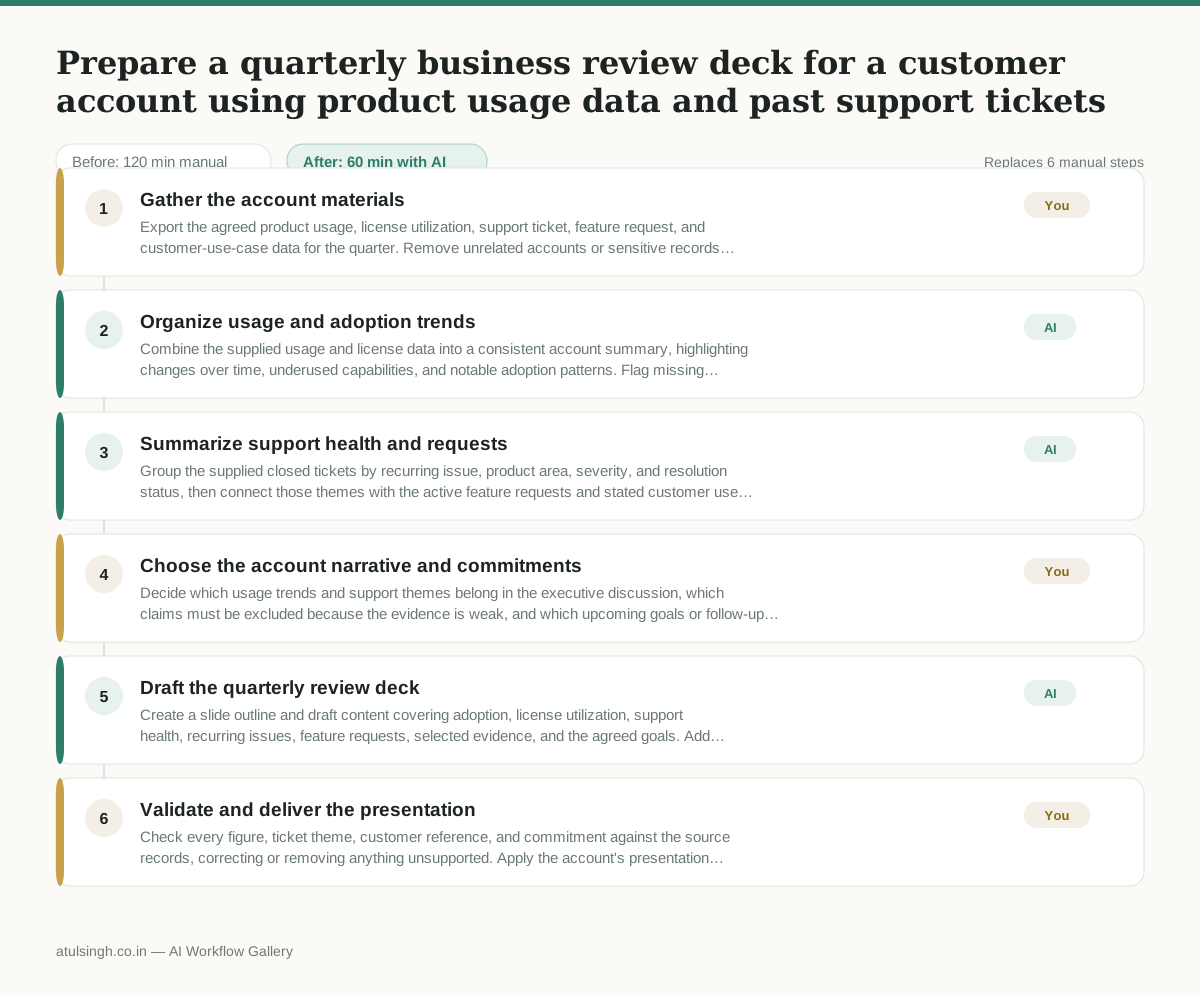
The workflow, step by step
- You
1. Gather the account materials
Export the agreed product usage, license utilization, support ticket, feature request, and customer-use-case data for the quarter. Remove unrelated accounts or sensitive records before providing the materials for analysis.
- AI
2. Organize usage and adoption trends
Combine the supplied usage and license data into a consistent account summary, highlighting changes over time, underused capabilities, and notable adoption patterns. Flag missing periods, inconsistent definitions, or figures that cannot be compared reliably.
- AI
3. Summarize support health and requests
Group the supplied closed tickets by recurring issue, product area, severity, and resolution status, then connect those themes with the active feature requests and stated customer use cases. Separate documented patterns from single-ticket observations and identify unresolved items that need confirmation.
- You
4. Choose the account narrative and commitments
Decide which usage trends and support themes belong in the executive discussion, which claims must be excluded because the evidence is weak, and which upcoming goals or follow-up commitments are realistic. This decision determines the priorities and promises presented to the customer.
- AI
5. Draft the quarterly review deck
Create a slide outline and draft content covering adoption, license utilization, support health, recurring issues, feature requests, selected evidence, and the agreed goals. Add clearly labeled tables or chart specifications using only the supplied figures and note any data limitations on the relevant slides.
- You
6. Validate and deliver the presentation
Check every figure, ticket theme, customer reference, and commitment against the source records, correcting or removing anything unsupported. Apply the account's presentation format, confirm the owners and dates for agreed actions, and deliver the final deck.
What you end up with
Where this falls apart
- The input ticket history contains ambiguous jargon or unresolved technical descriptions, which causes the model to misclassify recurring support issues and generate incorrect health summaries.
- The source usage data includes incomplete tracking periods or mismatched metric definitions, which causes the model to hallucinate adoption trends and present invalid utilization figures.
More for Customer Success Manager
- Checking whether a client account is confidential before publishing a case study or sharing details externally
- Identifying which accounts are ready for an expansion conversation based on their product usage and feature adoption data.
- spot which accounts are at renewal risk before the renewal call
- build a 30-day onboarding plan for a new account after kickoff
Also in support
- Review last week's support tickets and find the three macros that need rewriting
- score a sample of agent replies against the team's quality checklist
- Reviewing last week's support tickets to update macros and remove outdated responses before sharing them with the team
- Write the escalation summary before handing a stuck ticket to engineering